
詹姆斯·韦伯太空望远镜揭示了迄今为止发现的最遥远的恒星晨星的颜色
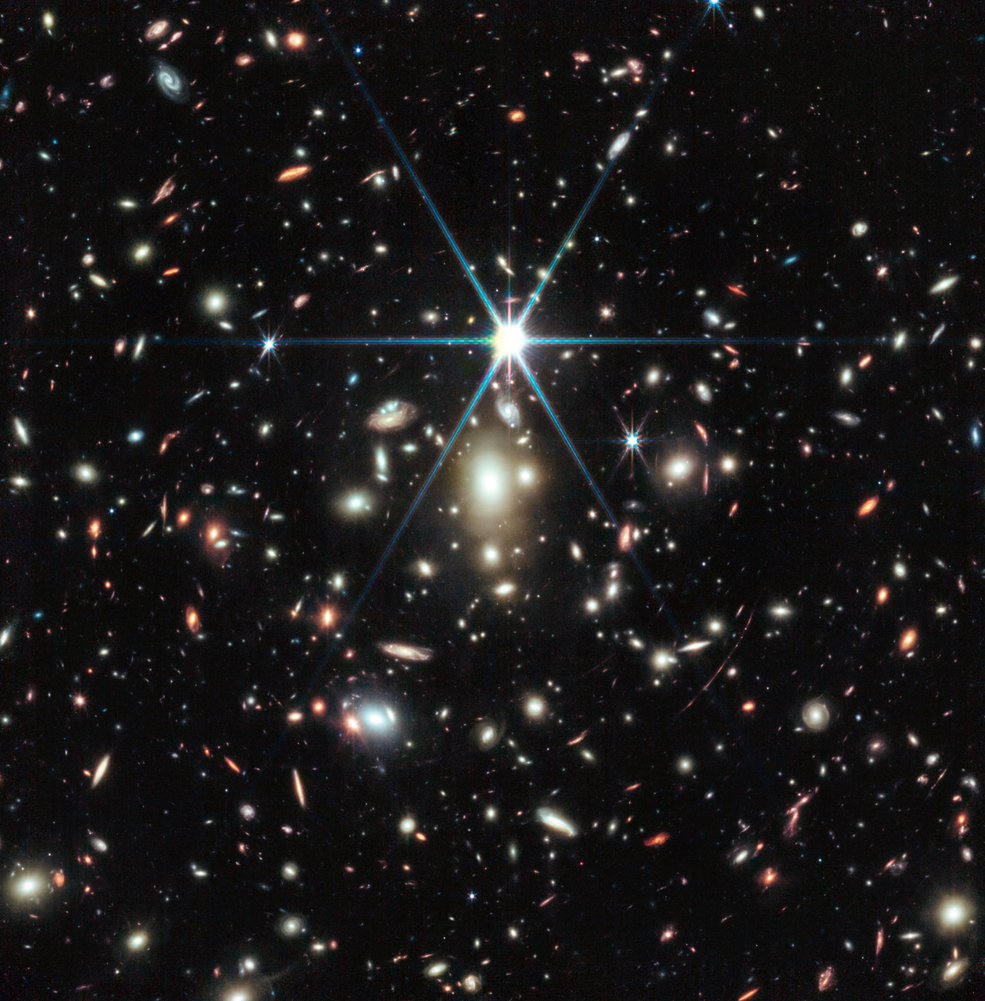
NASA詹姆斯·韦伯太空望远镜跟踪了哈勃太空望远镜对宇宙大爆炸后10亿年内最遥远的恒星的观测。

The glittering, glitzy contents of the globular cluster NGC 6652 sparkle in this star-studded image from the NASA/ESA Hubble Space Telescope. The core of the cluster is suffused with the pale blue light of countless stars, and a handful of particularly bright foreground stars are adorned with crissc

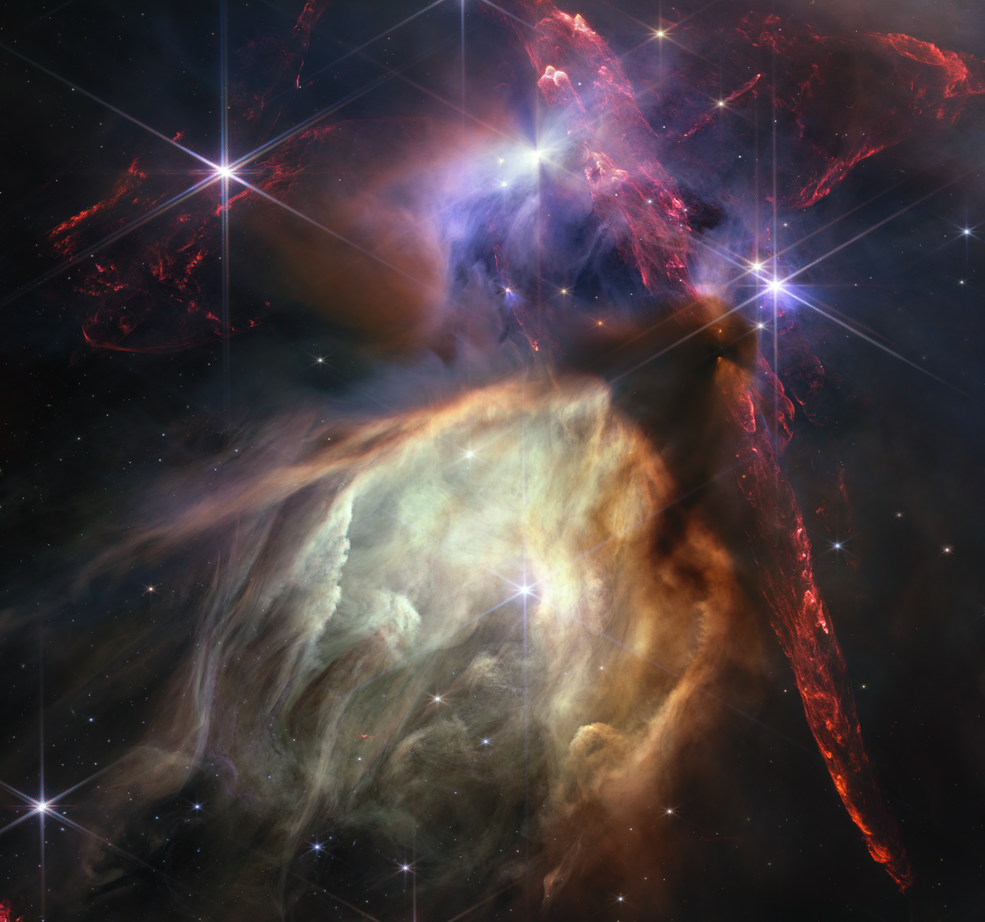
NASA的詹姆斯·韦伯太空望远镜在高分辨率近红外光下拍摄了一对正在形成的年轻恒星的“滑稽动作”,这对恒星被称为赫比格-哈罗46/47。
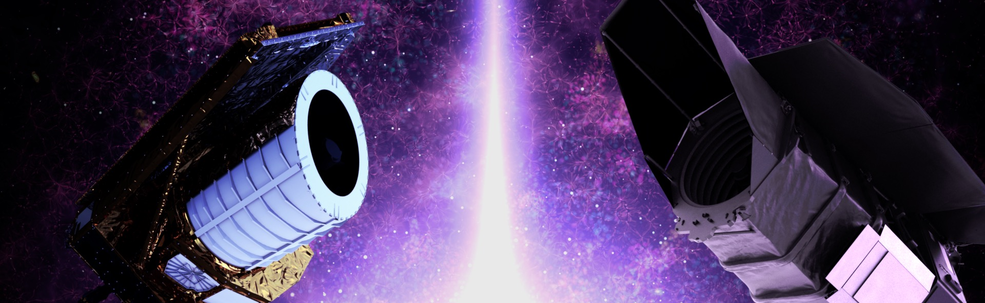
一台名为欧几里得的新太空望远镜将于7月发射,这是ESA在美国宇航局的资助下完成的一项任务,旨在探索宇宙膨胀加速的原因,即暗能量。到2027年5月,NASA的南希·格雷斯·罗曼太空望远镜将与欧几里得一起,以前所未有的方式探索这个谜题。


The teeming stars of the globular cluster NGC 6544 glisten in this image from the NASA/ESA Hubble Space Telescope. This cluster of tightly bound stars lies more than 8,000 light-years away from Earth and is, like all globular clusters, a densely populated region of tens of thousands of stars. This i

The densely packed globular cluster NGC 6325 glistens in this image from the NASA/ESA Hubble Space Telescope. This concentrated group of stars lies around 26,000 light-years from Earth in the constellation Ophiuchus. Globular clusters like NGC 6325 are tightly bound collections of stars with anywher

Two neutron stars begin to merge in this illustration, blasting a jet of high-speed particles and producing a cloud of debris. These gamma-ray bursts (GRBs) are the most powerful events in the universe. Scientists think these kinds of events are factories for a significant portion of the universe’s