
二颗行星、二种日行迹
See Explanation. Clicking on the picture will download the highest resolution version available.
请参阅说明。单击图片将下载可用的最高分辨率版本。

See Explanation. Clicking on the picture will download the highest resolution version available.
请参阅说明。单击图片将下载可用的最高分辨率版本。
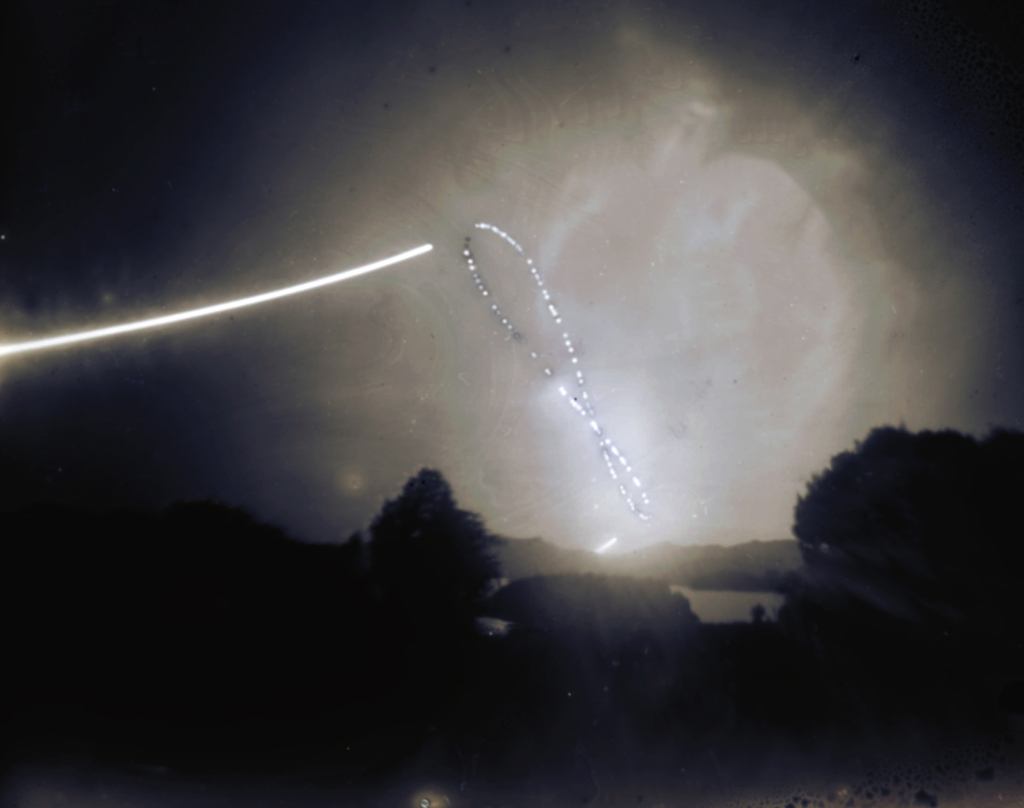
2023年9月23日 Afternoon Analemma Image Credit & Copyright: Ian Griffin (Otago Museum) Explanation: An analemma is that figure-8 curve you get when you mark the position of the Sun at the same time each day for one year. To make this one, a 4×5 pinhole camera was set up looking north in southe
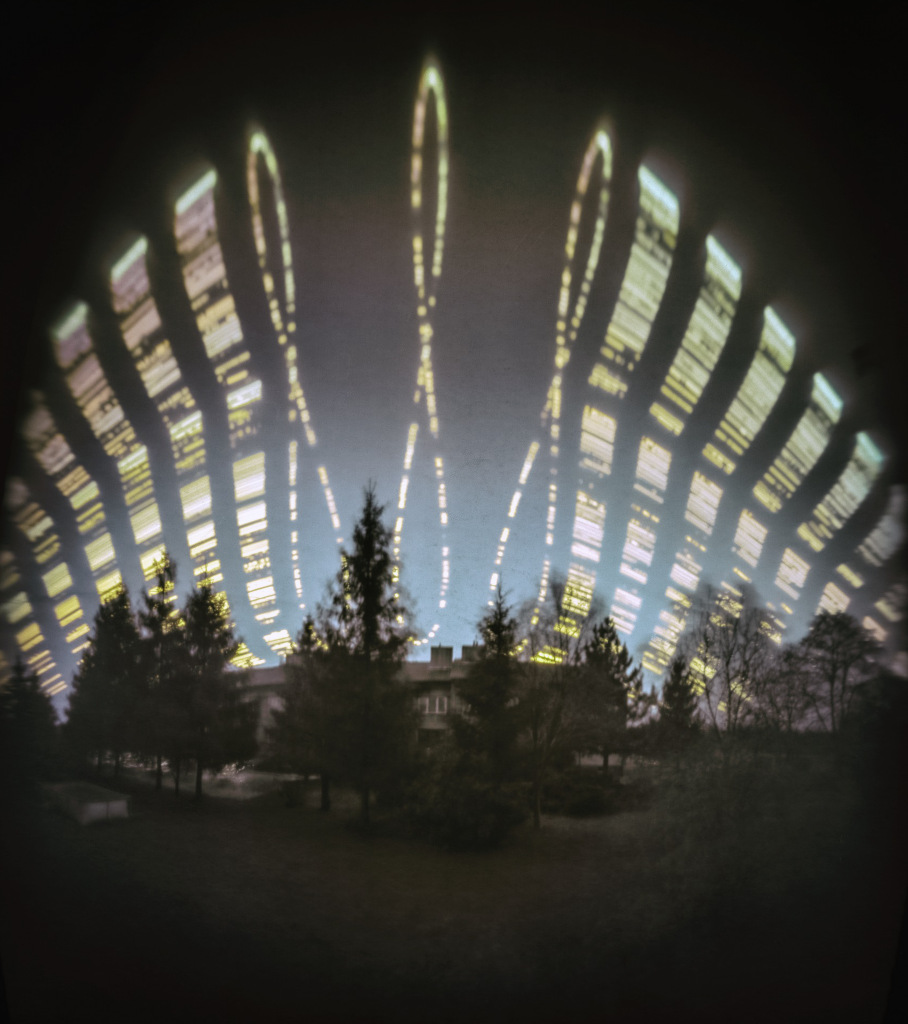
2022年7月2日 Solargraphic Analemmas Image Credit & Copyright: Dawid Rycabel (Pinholove) Explanation: For the northern hemisphere June 21 was the summer solstice, the Sun reaching its northernmost declination for the year. That would put it at the top of each of these three figure-8 curves, or anal

2022年6月21日 Analemma over Taipei Image Credit & Copyright: Meiying Lee Explanation: Does the Sun return to the same spot on the sky every day? No. A better and more visual answer to that question is an analemma, a composite of images taken at the same time and from the same place over the course

2019 June 21 落日时分的日行迹 影像来源及版权: Marcella Giulia Pace 说明:今天世界时间15点54分夏至来临之时,太阳在其每年穿过地球天空的旅程中会到达赤纬最北的位置。在天文学上,夏至标志着北半球夏季和南半球冬季的开始。今天也是北半球日出到日落之间白昼最长的一天。实际上,夏至的太阳位于这幅合成影像的顶部附近,也就是由太阳位置绘制的日行迹或8字曲线最北点。这道日行迹是由从2018年6月21日到2019年6月7日,每十天在同一时间拍摄的影像构建而成。拍摄时间被选择为一年中日落时间最早的冬至附近,因此日行迹的最低点正好与影像左侧一览无余的海平面相接。沿地平线向右(北


